GASTROINTESTINAL ENDOSCOPY IN CATS
The purpose of this procedure is to make a diagnosis of the disease that has been
causing your pet’s clinical signs of vomiting, diarrhea, or both.
What is an endoscope and how is it used?
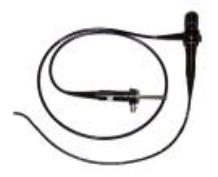
An endoscope is a flexible tube that is inserted into the stomach, intestine, or colon. As it passes
toward the stomach, the esophagus is also examined. The endoscope permits viewing of the inside
of these organs.
What types of disease are diagnosed with an endoscopic examination?
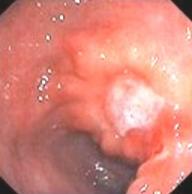
The endoscope allows full color viewing of the aforementioned organs. Areas of inflammation or
ulceration are easily seen. Masses and strictures are also visible. Foreign bodies (bones, toys,
rocks, coins, hairballs, etc.) may also be seen.
Can viewing an abnormal area render a diagnosis?
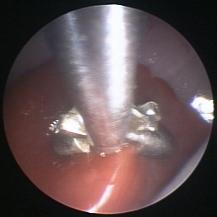
In most cases, no. However, the endoscope has a tiny channel through which a biopsy instrument
can be passed. Precise biopsies can be taken of areas of any of these organs that appear
abnormal.
What do you do if there are no abnormal areas?
Many diseases cause changes that can only be detected by an inspection of the cells. Therefore,
even if the organ appears normal, biopsies are taken. In most cases, biopsy of the stomach of a
vomiting cat or of the colon of a cat with diarrhea will be very helpful in determining the disease
present.
What if the problem is in the small intestine?
The endoscope can be passed through the valve at the lower end of the stomach (pylorus) and into
a short segment of the small intestine (duodenum) in some cats. This depends on the size of the cat
and the size of the endoscope. However, the vast majority of the small intestine is not accessible to
endoscopy. Most diseases of the small intestine require other tests to be diagnosed.
Can cancer be diagnosed with endoscopy?
In many cases, yes. However, some tumors do not affect the lining of the stomach or colon. The
biopsy procedure only samples the lining (the mucosa), so it is possible to fail to detect the
presence of a tumor, which is present in the deeper layers of the bowel.
What steps need to be taken to prepare for endoscopy?
It is vital that the inspected organs be empty of food and water. If the stomach is to be examined,
withholding food and water for 12 hours is generally sufficient. If the colon is to be examined, oral
medication is begun 12-18 hours before the procedure to remove fecal material from the entire
intestinal tract. Fasting for 12-18 hours is also vital so new fecal material does not form. On the
morning of the procedure, one or more enemas are given to remove any remaining stool from the
lower intestinal tract.
Is anesthesia required?
Yes. Passing an endoscope into a cat’s stomach or colon is not possible in a conscious patient.
Furthermore, patient cooperation is vital since the equipment that is used costs several thousands
of dollars and is quite fragile. Even for endoscopy of the colon, a short-acting anesthesia is
essential.
When will I know the results of the examination?
Since the organs are viewed in real time, the result of what is seen is known immediately. However,
the diagnosis is not available in many cases until the results of the pathologist’s study of the
biopsies are reported. This will vary from a day to a week depending on the location of the
pathologist and whether or not special tests are required on the tissue.
The purpose of this procedure is to make a diagnosis of the disease that has been
causing your pet’s clinical signs of vomiting, diarrhea, or both.
What is an endoscope and how is it used?
An endoscope is a flexible tube that is inserted into the stomach, intestine, or colon. As it passes
toward the stomach, the esophagus is also examined. The endoscope permits viewing of the inside
of these organs.
What types of disease are diagnosed with an endoscopic examination?
The endoscope allows full color viewing of the aforementioned organs. Areas of inflammation or
ulceration are easily seen. Masses and strictures are also visible. Foreign bodies (bones, toys,
rocks, coins, hairballs, etc.) may also be seen.
Can viewing an abnormal area render a diagnosis?
In most cases, no. However, the endoscope has a tiny channel through which a biopsy instrument
can be passed. Precise biopsies can be taken of areas of any of these organs that appear
abnormal.
What do you do if there are no abnormal areas?
Many diseases cause changes that can only be detected by an inspection of the cells. Therefore,
even if the organ appears normal, biopsies are taken. In most cases, biopsy of the stomach of a
vomiting cat or of the colon of a cat with diarrhea will be very helpful in determining the disease
present.
What if the problem is in the small intestine?
The endoscope can be passed through the valve at the lower end of the stomach (pylorus) and into
a short segment of the small intestine (duodenum) in some cats. This depends on the size of the cat
and the size of the endoscope. However, the vast majority of the small intestine is not accessible to
endoscopy. Most diseases of the small intestine require other tests to be diagnosed.
Can cancer be diagnosed with endoscopy?
In many cases, yes. However, some tumors do not affect the lining of the stomach or colon. The
biopsy procedure only samples the lining (the mucosa), so it is possible to fail to detect the
presence of a tumor, which is present in the deeper layers of the bowel.
What steps need to be taken to prepare for endoscopy?
It is vital that the inspected organs be empty of food and water. If the stomach is to be examined,
withholding food and water for 12 hours is generally sufficient. If the colon is to be examined, oral
medication is begun 12-18 hours before the procedure to remove fecal material from the entire
intestinal tract. Fasting for 12-18 hours is also vital so new fecal material does not form. On the
morning of the procedure, one or more enemas are given to remove any remaining stool from the
lower intestinal tract.
Is anesthesia required?
Yes. Passing an endoscope into a cat’s stomach or colon is not possible in a conscious patient.
Furthermore, patient cooperation is vital since the equipment that is used costs several thousands
of dollars and is quite fragile. Even for endoscopy of the colon, a short-acting anesthesia is
essential.
When will I know the results of the examination?
Since the organs are viewed in real time, the result of what is seen is known immediately. However,
the diagnosis is not available in many cases until the results of the pathologist’s study of the
biopsies are reported. This will vary from a day to a week depending on the location of the
pathologist and whether or not special tests are required on the tissue.
 |
 |
 |
 |
 |
 |
 |
 |
 |
 |
 |
 |

| Animal Hospital of Fate 1001 North W.E.Crawford (Highway 66 in Fate) Rockwall, Texas 75087 972-722-0066 |
1001 North W.E.Crawford (Highway 66 in Fate) Rockwall, Texas 75087 972-722-0066 |
The Staff of the Animal Hospital of Fate |