FELINE FATTY LIVER SYNDROME
(Hepatic Lipidosis)
What is Fatty Liver Syndrome, and how does a cat get it?
Feline Fatty Liver Syndrome (FLS) is also known as feline hepatic lipidosis. This disease is
unique in cats and is one of the most common liver diseases seen in cats.
The typical cat with FLS has recently gone through a period of anorexia (not eating). The
chances of FLS occurring are greater if the cat was obese before the anorexia began. As fat is
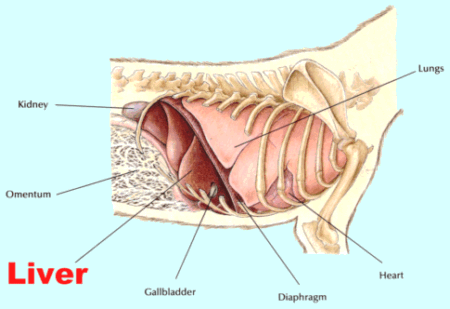
broken down to supply nutrients for the anorectic cat, the fat is deposited so rapidly in the liver
that it cannot be processed. It becomes stored in and around the liver cells, resulting in liver
failure. The cat usually becomes icteric or jaundiced, as evidenced by a yellow color in the
whites of the eyes or in the skin. At this point, the disease will be fatal if not treated rapidly and
aggressively.
How is it diagnosed?
Diagnosis of FLS is made from blood tests for liver function and from a liver biopsy or
aspirate. The former may be performed during surgery or with a needle inserted through the
skin. The tissue sample is sent to a pathologist for interpretation. The latter involves inserting a
very tiny needle through the skin and into the liver, removing a small number of liver cells, and
examining those cells under the microscope. The FLS cat will have a large amount of fat in and
among the liver cells. Generally, other tests are then performed to determine why the cat
stopped eating. If the cause for anorexia is treatable or resolved, the prognosis is reasonably
good.
Is this a treatable disease?
This disease is very treatable, but treatment of FLS requires that the cat receive nutritional
support until the appetite returns. A consistently high quality diet will allow the liver to resume
functioning so it may remove the fat. This does not occur quickly; it takes an average of 6-7
weeks. Therefore, a method of force-feeding must be used to allow you to feed your cat at
home.
How do I provide the necessary nutritional support?
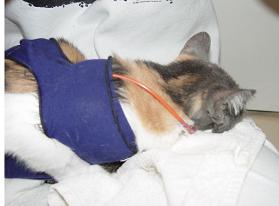
A feeding tube is surgically implanted into your cat so you can syringe special food through it
into the stomach. There are several types of feeding tubes available. The best one for your cat
will be determined based on several factors.
A special food mixture, listed below, is syringed through the tube three to five times per day.
This food is formulated to meet the cat's nutritional needs; it should not cause vomiting or
diarrhea. To feed your cat, follow these steps:
Place the following ingredients in a blender and run it at the fastest speed until the food is
uniformly mixed. After mixing, pour the food through a kitchen strainer.
1. Remove the cap from the feeding tube.
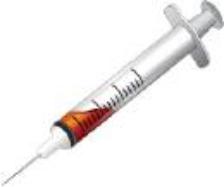
2. Using the syringe provided, inject ________ cc of the food into your cat's feeding tube
_____ times per day FOR A TOTAL OF _________ cc PER 24 HOURS. It is helpful to inject
the food slowly, about 1 cc per second, and to elevate your cat's front feet so the food goes
easily into the stomach.
3. When the food has been injected, inject 5-10 cc of tap water through the tube so food
does not remain in it; replace the cap in the tube.
4. Any remaining food should be stored in the refrigerator. Before the next feeding, it
should be warmed to body temperature under hot tap water or in a microwave oven. If you heat
it in a microwave oven, be sure to thoroughly mix the contents prior to feeding because of
uneven heating. Also, always check the temperature prior to feeding to be sure that it is not too
hot.
When is the tube removed?
Persistence is essential. The average cat requires 6-7 weeks of feeding before it begins to
eat. At least once weekly, offer your cat a small amount of its favorite food so that you will know
when its appetite returns. The feeding tube will not hinder eating in any way. After your cat has
been eating well for 3-4 days, it should be returned to the hospital for tube removal. Removal of
the tube is simple and does not require anesthesia; however, you should not attempt to remove
the tube yourself.
NOTE: Technically, a cubic centimeter (cc) and a milliliter (ml) are different. However, for our
purposes, a cc is the same as an ml. Syringes are often marked in cc’s.
(Hepatic Lipidosis)
What is Fatty Liver Syndrome, and how does a cat get it?
Feline Fatty Liver Syndrome (FLS) is also known as feline hepatic lipidosis. This disease is
unique in cats and is one of the most common liver diseases seen in cats.
The typical cat with FLS has recently gone through a period of anorexia (not eating). The
chances of FLS occurring are greater if the cat was obese before the anorexia began. As fat is
broken down to supply nutrients for the anorectic cat, the fat is deposited so rapidly in the liver
that it cannot be processed. It becomes stored in and around the liver cells, resulting in liver
failure. The cat usually becomes icteric or jaundiced, as evidenced by a yellow color in the
whites of the eyes or in the skin. At this point, the disease will be fatal if not treated rapidly and
aggressively.
How is it diagnosed?
Diagnosis of FLS is made from blood tests for liver function and from a liver biopsy or
aspirate. The former may be performed during surgery or with a needle inserted through the
skin. The tissue sample is sent to a pathologist for interpretation. The latter involves inserting a
very tiny needle through the skin and into the liver, removing a small number of liver cells, and
examining those cells under the microscope. The FLS cat will have a large amount of fat in and
among the liver cells. Generally, other tests are then performed to determine why the cat
stopped eating. If the cause for anorexia is treatable or resolved, the prognosis is reasonably
good.
Is this a treatable disease?
This disease is very treatable, but treatment of FLS requires that the cat receive nutritional
support until the appetite returns. A consistently high quality diet will allow the liver to resume
functioning so it may remove the fat. This does not occur quickly; it takes an average of 6-7
weeks. Therefore, a method of force-feeding must be used to allow you to feed your cat at
home.
How do I provide the necessary nutritional support?
A feeding tube is surgically implanted into your cat so you can syringe special food through it
into the stomach. There are several types of feeding tubes available. The best one for your cat
will be determined based on several factors.
A special food mixture, listed below, is syringed through the tube three to five times per day.
This food is formulated to meet the cat's nutritional needs; it should not cause vomiting or
diarrhea. To feed your cat, follow these steps:
Place the following ingredients in a blender and run it at the fastest speed until the food is
uniformly mixed. After mixing, pour the food through a kitchen strainer.
1. Remove the cap from the feeding tube.
2. Using the syringe provided, inject ________ cc of the food into your cat's feeding tube
_____ times per day FOR A TOTAL OF _________ cc PER 24 HOURS. It is helpful to inject
the food slowly, about 1 cc per second, and to elevate your cat's front feet so the food goes
easily into the stomach.
3. When the food has been injected, inject 5-10 cc of tap water through the tube so food
does not remain in it; replace the cap in the tube.
4. Any remaining food should be stored in the refrigerator. Before the next feeding, it
should be warmed to body temperature under hot tap water or in a microwave oven. If you heat
it in a microwave oven, be sure to thoroughly mix the contents prior to feeding because of
uneven heating. Also, always check the temperature prior to feeding to be sure that it is not too
hot.
When is the tube removed?
Persistence is essential. The average cat requires 6-7 weeks of feeding before it begins to
eat. At least once weekly, offer your cat a small amount of its favorite food so that you will know
when its appetite returns. The feeding tube will not hinder eating in any way. After your cat has
been eating well for 3-4 days, it should be returned to the hospital for tube removal. Removal of
the tube is simple and does not require anesthesia; however, you should not attempt to remove
the tube yourself.
NOTE: Technically, a cubic centimeter (cc) and a milliliter (ml) are different. However, for our
purposes, a cc is the same as an ml. Syringes are often marked in cc’s.
 |
 |
 |
 |
 |
 |
 |
 |
 |
 |
 |
 |

1001 North W.E.Crawford (Highway 66 in Fate) Rockwall, Texas 75087 972-722-0066 |
1001 North W.E.Crawford (Highway 66 in Fate) Rockwall, Texas 75087 972-722-0066 |
| The Staff of the Animal Hospital of Fate |